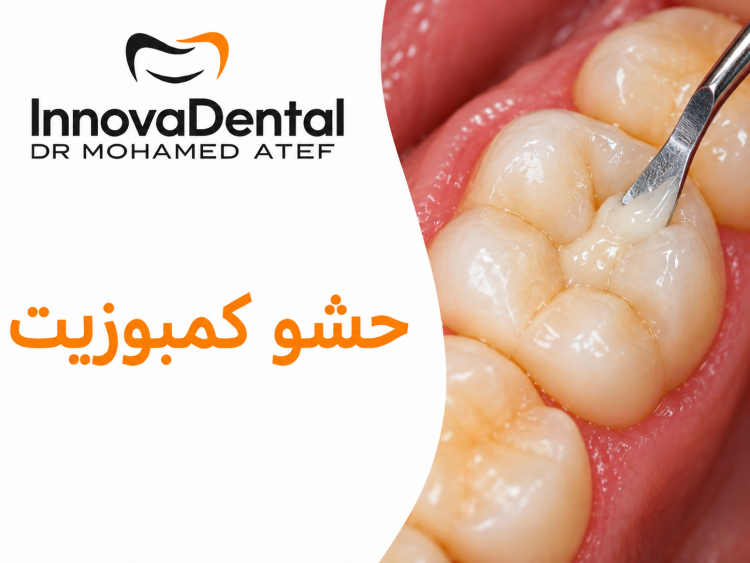
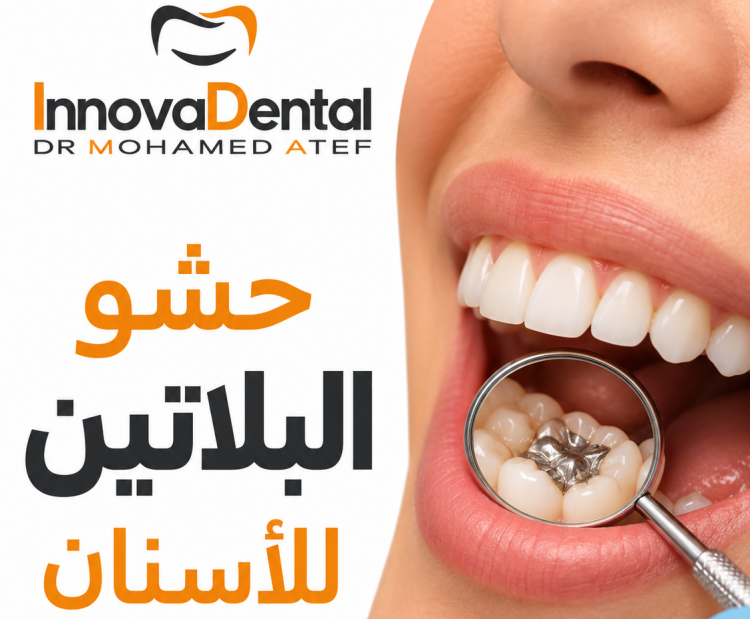
One type of traditional restoration is the classic silver filling, which has been used for many years to treat tooth decay and preserve the remaining tooth structure. Despite its popularity and durability, many modern alternatives have emerged that are more compatible with the shape and color of teeth, such as composite filling Therefore, choosing the right dental filling material depends on the condition of the tooth, the patient's needs, and the dentist's assessment. In this article, specialist dentists at Innova Clinics will provide us with a closer look at silver fillings, and we will also explore the differences between them and white fillings.
The Medical Science Behind Platinum Fillings: Is This Right for You?
Platinum fillings are the common name for traditional silver or lead fillings, medically known as amalgam fillings. This specific dental filling material has been used for decades to treat tooth decay, especially in molars. Amalgam is composed of a mixture of silver, copper, tin, and mercury, which gives this dental filling material its exceptional hardness and ability to withstand chewing pressure. Platinum fillings are typically silver or gray, and over time they can darken. For this reason, they are sometimes called black platinum fillings, although their medical name is amalgam filling, not platinum in the literal sense.
Pros and Cons of Amalgam: Evaluating Your Best Treatment Options
Traditional fillings are known for their many structural advantages; however, they have some drawbacks that have led many doctors and patients to turn to a newer cosmetic dental filling material.
Why Traditional Silver Was the Go-To Choice for Decades
This type of dental filling was known for several advantages that made it the first and most widely used filling throughout history, before the advent of newer technologies. The advantages of using amalgam as your dental filling material include the following:
- High hardness: Amalgam is characterized by its ability to withstand heavy chewing forces, so it was widely used in restoring molars and back teeth.
- Long lifespan: A filling can last for many years when properly installed and cared for, with the duration varying depending on the condition of the tooth and the patient's habits.
- Low cost: Platinum fillers are often cheaper than modern cosmetic options, which made them a highly popular choice for a long time.
The Hidden Drawbacks: When to Upgrade Your Smile

Despite the durability of platinum Nerve Filling Price , there are a number of drawbacks that should be discussed with your dentist before choosing this option:
- The metallic appearance: It has a distinct silver or gray color that becomes darker over time, making it unsuitable for those who care about the aesthetic appearance of their smile.
- Removing more of the tooth: Amalgam requires preparing the tooth and removing part of its healthy structure to provide space. In contrast, choosing a modern adhesive dental filling material allows for the preservation of more healthy tooth tissue.
- Affected by temperature changes: Amalgam can expand and contract with frequent temperature changes from hot and cold foods. Over time, this may contribute to stress or cracks in weak teeth.
- Not the best cosmetic option: If the patient wants a restoration close to natural tooth color, modern alternatives like composite provide a flawless, natural appearance.
Debunking Myths: Is Amalgam Safe for Your Health? (The Debate Settled)
Despite containing mercury, the mercury is securely bound to the metallic components of the amalgam filling. The American Dental Association (ADA) states that amalgam is a stable and safe dental filling material when used appropriately, and there is insufficient evidence to prove it causes poisoning or health problems in healthy individuals.
In this context, WebMD confirms agreement with the guidelines of the US Food and Drug Administration (FDA) and the ADA. Reports indicate that amalgam fillings are a safe and effective option for adults and children over six. Potential risks only include the release of microscopic amounts of mercury vapor and rare allergic reactions. Additionally, removing a perfectly healthy filling without a medical reason may temporarily increase exposure to mercury vapor and could lead to unnecessary tooth structure loss.
Note: Pregnant women, children under six, and patients with specific kidney or nervous system diseases should discuss alternatives with their dentist.
Warning Signs: When Is It Time to Replace Your Old Restoration?
Platinum fillings should be replaced when there is a clear medical or cosmetic reason, not simply because they are old. Situations requiring a dentist's evaluation include:

- A broken filling or falling out: This allows bacteria to enter, requiring immediate clinical assessment.
- Recurrent decay: Decay under or around the filling requires cleaning and a new restoration.
- Cracks or weakness: If the tooth has lost significant structure, a replacement is necessary.
- Desire to improve appearance: Visible dark fillings can be replaced with cosmetic tooth-colored alternatives.
Medical reports issued by the Mayo Clinic support that amalgam is highly durable and safe for healthy adults. However, in many cases today, modern dental clinics are opting for a tooth-colored dental filling material instead of amalgam for better aesthetics. If your old filling is discolored, causing pain, or sensitivity, consult our specialist dentists at Innova Clinics to determine the best alternative. Book an appointment with us today at (01016188222).
Platinum vs. Composite: Which Delivers the Best Cosmetic and Medical Results?
The choice between a "black" and a cosmetic "white" dental filling material depends on the location of the decay, the size of the missing part, and the overall condition of the tooth.
|
Comparison |
Platinum Filling (Amalgam) |
Composite Filling |
|
Appearance |
Silver or gray; darkens over time. |
Perfectly matches natural tooth color. |
|
Hardness |
High hardness and durability for back teeth. |
Durable, depending on size, location, and installation. |
|
Tooth Preservation |
Requires more healthy tooth removal. |
Bonds directly, preserving more healthy tooth structure. |
|
Cosmetic Aspect |
Poor aesthetic for exposed teeth. |
Highly aesthetic and invisible. |
|
Cost |
Less expensive. |
Higher investment for cosmetic benefits. |
|
Usage in Front Teeth |
Not preferred due to dark color. |
Ideal and widely used for front teeth. |
Conclusion: Transform Your Smile with Innova Clinics
For anyone considering changing their old fillings, or wishing to know which advanced dental filling material is perfectly suited for their unique condition, a professional medical examination is the first step. Take the initiative to achieve a healthier, brighter smile by booking your consultation now at Innova Dental Clinics. We will assess your tooth and choose the ultimate restoration for your needs. Book with us at (01016188222).