Having a harmonious smile may seem like a dream for many, especially those who feel embarrassed by crooked or crowded teeth. However, with the great advancements in dentistry, achieving the smile you desire is no longer difficult, as there are now many different and sophisticated types of orthodontics.
To suit different ages, conditions, and needs—whether in terms of form, cost, or duration of treatment—you have plenty of options.
With the correct diagnosis by a specialist doctor under the supervision of Dr. Mohamed Atef, the appropriate option among the various types of orthodontics can be chosen to achieve the best results and give you a healthy, confident smile that lasts for years.
If you're looking for a premier Orthodontic Center that guarantees the best results, Innova Dental Clinics offers a comprehensive treatment experience
How do braces work? And why might you need them?
According to medical resources like the Cleveland Clinic, different types of orthodontics work by applying gentle, continuous pressure to the teeth using specialized orthodontic appliances. This helps to gradually move the teeth into their correct positions within the jaw. Over time, and with regular follow-up appointments with your dentist, teeth alignment improves and the bite becomes more balanced, which is reflected in the appearance of your smile, oral health, chewing function, and speech.
Your dentist may recommend braces if you have any of the following conditions:

- Crowded teeth: When teeth are overlapping or crowded, it is difficult to clean them, which increases the risk of cavities and gum disease.
- Gaps between teeth: These may appear as a result of a difference in tooth size or the loss of a tooth, affecting the harmony of the smile and leading to problems with bite and dental functions.
- Crossbite: This occurs when some of the lower teeth overlap in front of the upper teeth, which can cause tooth wear or jaw problems.
- Open or deep bite: An occlusal disorder that may affect chewing or speech and causes unbalanced pressure on the teeth.
- Crooked teeth: This occurs when the teeth are not properly aligned, affecting the beauty of the smile and the function of the teeth.
Furthermore, early evaluation can determine if interceptive orthodontics is necessary for children to guide jaw growth and prevent more severe misalignment issues in the future.
The Most Popular Types of Orthodontics at Innova Dental Clinics
When searching for reliable "orthodontic treatment near me," you want a clinic that provides a comprehensive orthodontic treatments list. Choosing the right option depends on several factors, including the condition of your teeth, the severity of your bite, your age, your budget, and your preferences in terms of appearance and comfort. Below are some of the most popular types of orthodontics we offer:
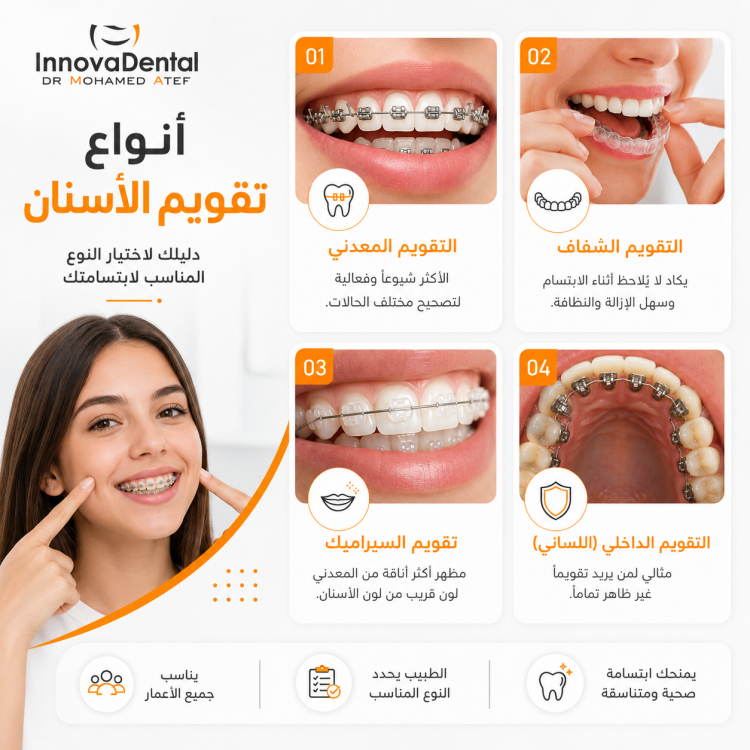
- Traditional Metal Braces: If you suffer from severe crowding or complex bite problems, metal braces may be the best option for you. Among all types of orthodontics, they are highly effective for achieving accurate results in various cases. They also offer a highly competitive orthodontic treatment price compared to other choices.
- Ceramic or Clear Braces: As highlighted in Healthline's guide on adult treatments, ceramic braces are one of the most aesthetic types of orthodontics. They work similarly to metal braces but use tooth-colored or clear brackets, making them much less noticeable, which is why many adults prefer them.
- Internal or Lingual Braces: If you prefer invisible treatment, this is one of the most specialized types of orthodontics. Bonded to the inner surface of the teeth, they remain hidden while speaking or smiling. However, adjusting them requires a high level of expertise and skill from the orthodontist to ensure the best results.
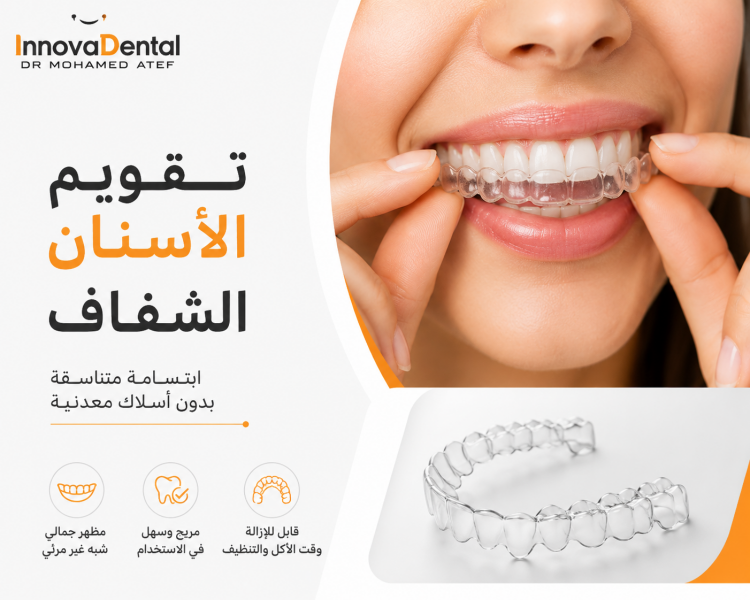
- Invisalign (Removable Transparent Braces): If you are looking for comfort and flexibility during treatment, Invisalign is one of the most advanced options. Compared to other types of orthodontics, these rely on transparent, removable trays that can be taken out for eating or brushing, giving you greater freedom. They are especially popular for simple and moderate cases.
To help you choose the best option, during your medical consultation at our clinics with Dr. Yara Mohsen, you can view before and after photos of orthodontic treatments for cases similar to yours to learn about the expected results.
Comprehensive Comparison: How to Choose the Most Suitable Calendar Type?
You might feel confused when choosing between different options, especially given the variations in style, cost, and treatment duration. To help you understand these variations, as detailed in comprehensive guides explaining orthodontic options, the following table, prepared by the experts at Innova Dental Clinics under the supervision of Dr. Mohamed Atef, will help you quickly compare the most popular types of orthodontics:
|
Calendar Type (Braces) |
Aesthetic Appearance |
Treatment Duration |
Cost Level |
|
Traditional Metal Braces |
Noticeable |
12 to 24 months |
Least expensive |
|
Ceramic (Transparent) |
Less noticeable (tooth-colored) |
12 to 24 months |
Medium to High |
|
Internal (Lingual) |
Completely hidden |
18 to 30 months |
High |
|
Removable (Invisalign) |
Almost invisible |
6 to 24 months |
High |
(Note: Patients often inquire about insurance coverage, such as calculating the Bupa braces cost. We recommend discussing your insurance plan with our front desk to understand your specific coverage and our flexible payment plans.)
How do braces work? And why might you need them?
Furthermore, early evaluation can determine if interceptive orthodontics, such as Upper Jaw Expansion, is necessary for children to guide jaw growth and prevent more severe misalignment issues in the future.
What factors determine the duration of orthodontic treatment?
The duration of orthodontic treatment varies from person to person, so a fixed timeframe cannot be given to all patients. After assessing your case, Dr. Yara Mohsen, a specialist in orthodontics, will determine the expected duration based on several factors:

- Age: Teeth usually respond to treatment more quickly in children and adolescents, while adults may need a little longer.
- The complexity of your case: The more complex the teeth crowding problem or bite disorder, the longer the treatment will take to achieve the best result.
- Your commitment to instructions: Your diligence in attending follow-up appointments, wearing removable aligners as instructed, and maintaining oral hygiene helps reduce the treatment time and prevents complications like decay or gum inflammation.
Why choose Innova Dental Clinics for your orthodontic treatment journey?
If you're looking for the best results, Innova Dental Clinics offers a comprehensive treatment experience utilizing the latest 3D imaging technology to develop a customized treatment plan tailored to your needs. The center boasts a select group of experienced orthodontists, under the supervision of Dr. Mohamed Atef, to ensure meticulous follow-up at every stage.
Innova Dental Clinics provides flexible payment options to suit different budgets, so you can start your treatment journey without worrying about costs.
Don't put off getting the smile you deserve. Book your consultation today at Innova Dental Clinics by calling (01016188222) and let our team help you choose the most suitable plan.
Conclusion
Ultimately, exploring the different types of orthodontics is the first step to achieving a healthy, consistent smile. These treatments can last for years, and with the wide range of options available, finding a solution that suits your medical condition, appearance, and budget is easier than ever. Consulting a specialized orthodontist is the best way to achieve optimal results safely and effectively. Contact us now and book your consultation at (01016188222).
FAQ
Does orthodontic treatment cause pain?
You may feel slight discomfort or pressure during the first few days after the braces are fitted or after tightening sessions, but it is temporary and can be controlled by following your doctor's instructions.
What is the ideal age to start orthodontic treatment for children?
It is recommended that the first orthodontic assessment be carried out at approximately 7 years of age, while actual treatment begins according to the child's condition and jaw growth.
Will pronunciation and articulation be affected after the braces are fitted?
There may be a slight and temporary effect on speech with some appliances, but most patients adapt quickly and speech returns to normal within a few days.